Transition from Electro-Mechanical Relays to Microprocessor Control
The Churchgate-Virar suburban railway artery represents one of the most densely utilized commuter rail networks in the world, operating over 1,300 daily train services and transporting approximately 3.5 million passengers every working day. Managing train headways of under three minutes requires foolproof signaling integrity.
The newly commissioned Electronic Interlocking architecture, certified under Safety Integrity Level 4 (SIL-4)—the highest international benchmark for railway safety—replaces thousands of physical wire relays with dual-redundant computerized logic cards.
By continuously validating track switch positions, signal aspects, and track clearance sensors, the system automatically prevents human signaling conflicts, virtually eliminating the possibility of train routing errors.
India Infrastructure Procurement & Heavy Transit Forum 2026
Connect with leading civil engineering contractors, smart city municipal directors, and regional transport authorities.
Learn More →Integrated Centralized Traffic Management (CTM)
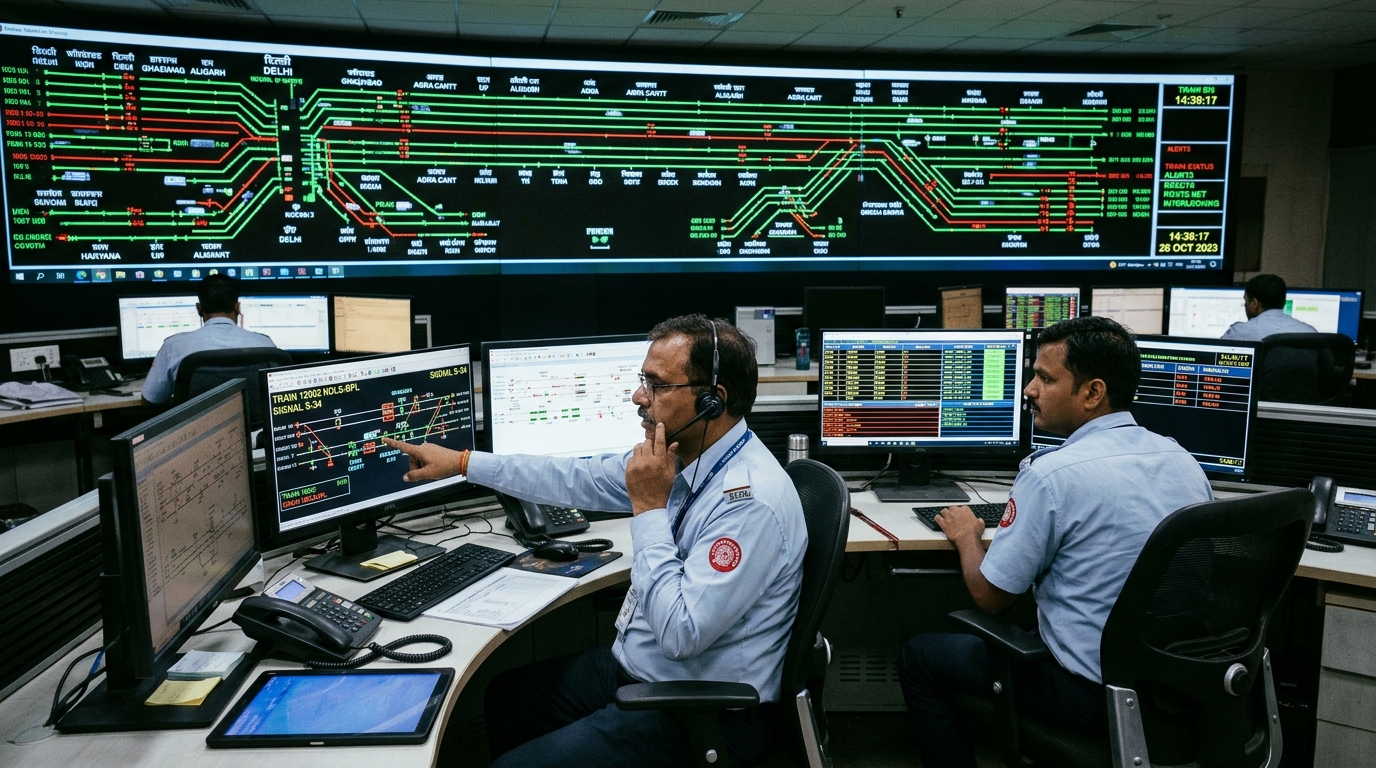
Operating in conjunction with digital axle counters and automatic warning systems, the electronic interlocking setup feeds real-time telemetry directly into Western Railway's Centralized Traffic Management (CTM) center in Mumbai Central.
Dispatchers view graphical track occupation schematics across all four suburban lines, allowing dynamic adjustment of train intervals, platform reassignments, and emergency rake regulation during track maintenance blocks.
The upgrade also significantly improves component durability against Mumbai's high ambient humidity and seasonal heavy rainfall, drastically reducing signal failure occurrences that historically caused commuter delays.
Enhanced Track Capacity and Future Automated Features
Senior railway officials confirmed that the transition to Electronic Interlocking creates the essential technological foundation for rolling out Communications-Based Train Control (CBTC) and onboard automatic train protection systems in future operational phases.
With higher signaling responsiveness, Western Railway engineers project a sustained 10% increase in track throughput capacity, enabling the introduction of additional air-conditioned suburban services during morning and evening rush hours without compromising stringent safety distances.